

The tourists who visit Stonehenge, in England, or Mont Saint Michel, in France, Machu Picchu, in Peru, due to the large flow and the speed as the visits are processed, lose the opportunity to better realize the history and the myth surrounding these places built in antiquity. Due to agitation and focus on curiosity, visitors give themselves up to mechanical reading, profane, of something that man made sacred in the past.

The best way to appreciate the artistic aspects and feel the aura of myth and mystery surrounding these locations, is visiting them by your own or in events organized with the aim of making a greater communion with the historical and spiritual meaning.
Stonehenge
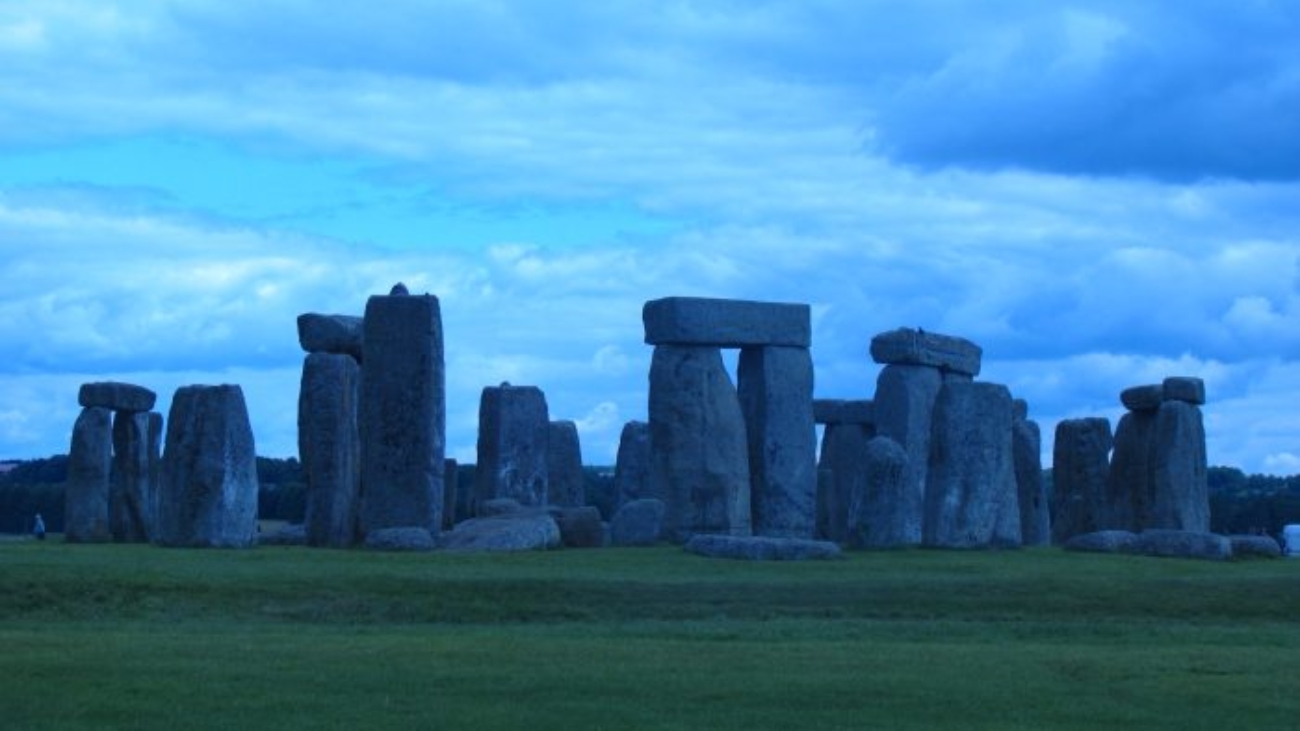
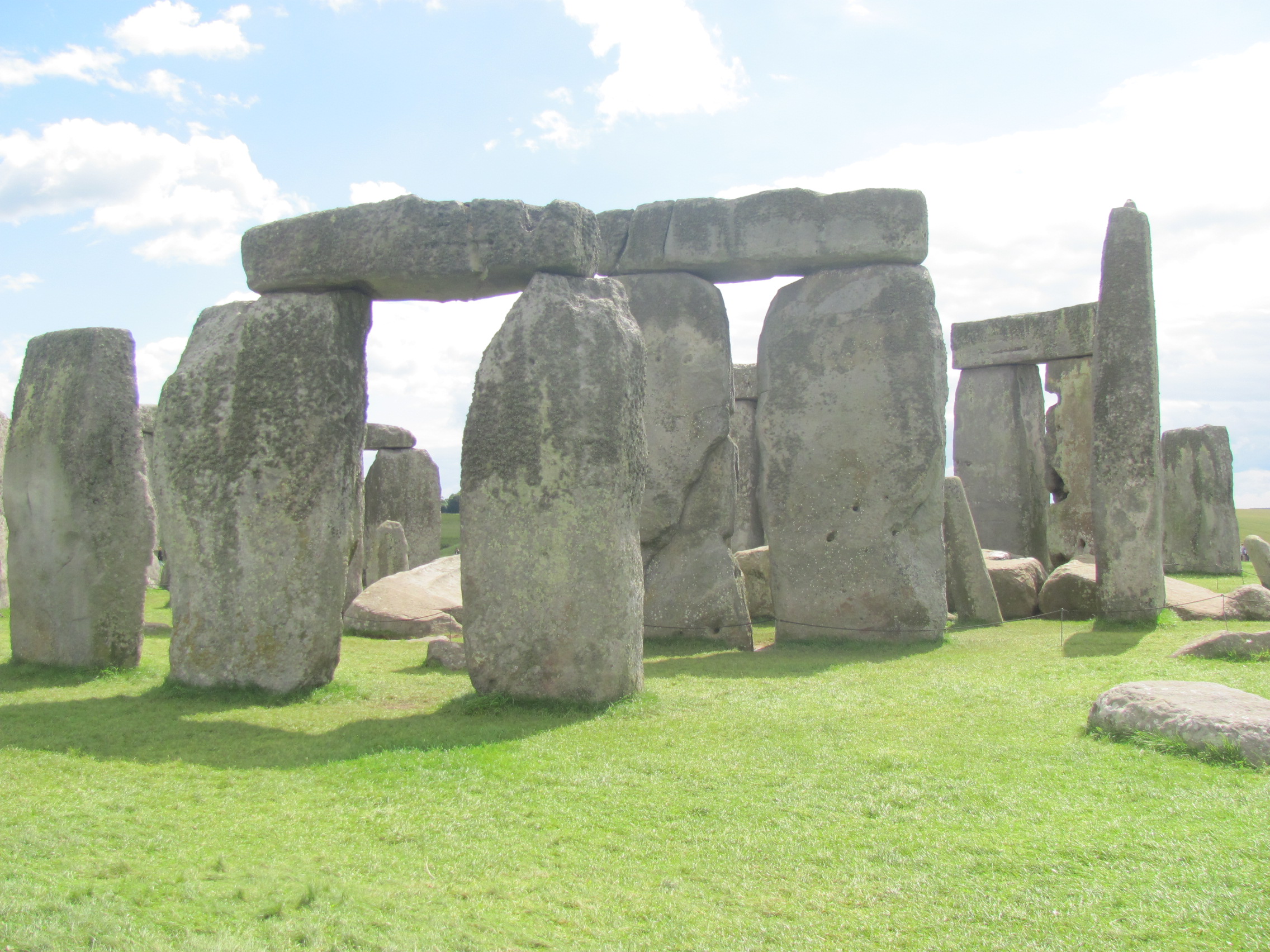
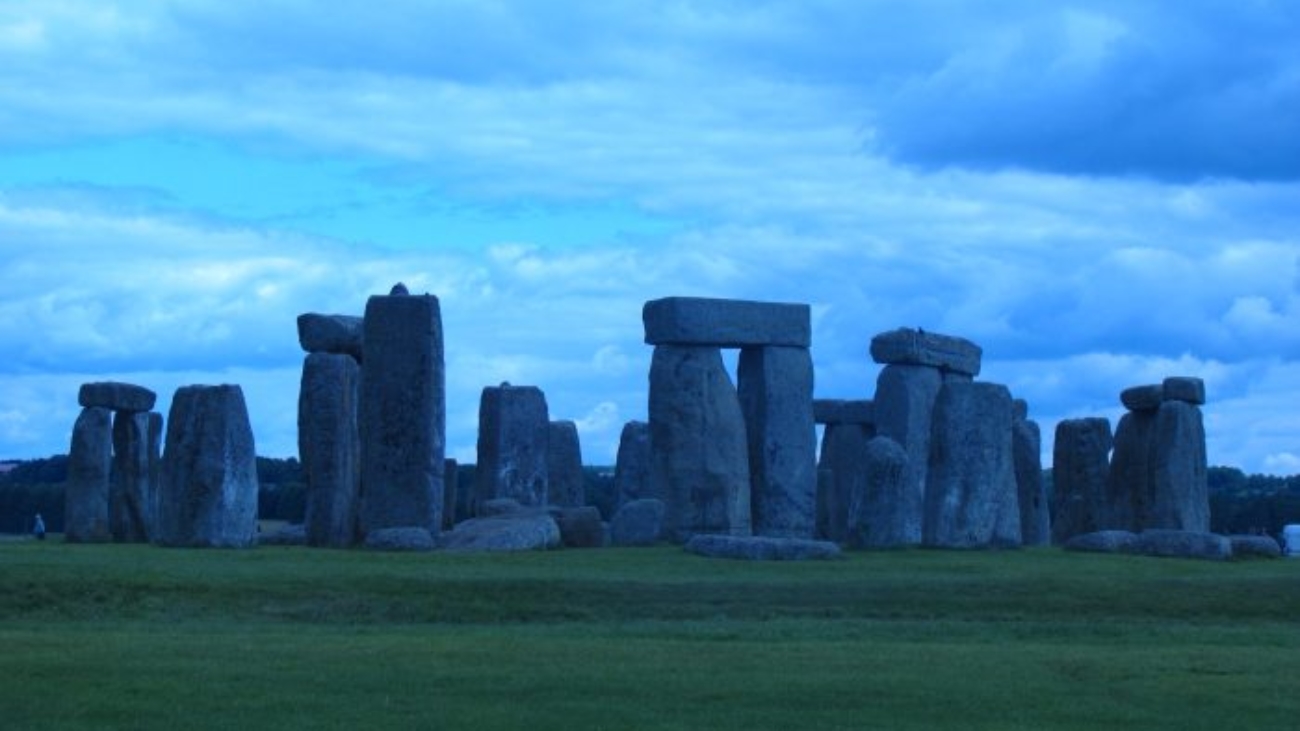
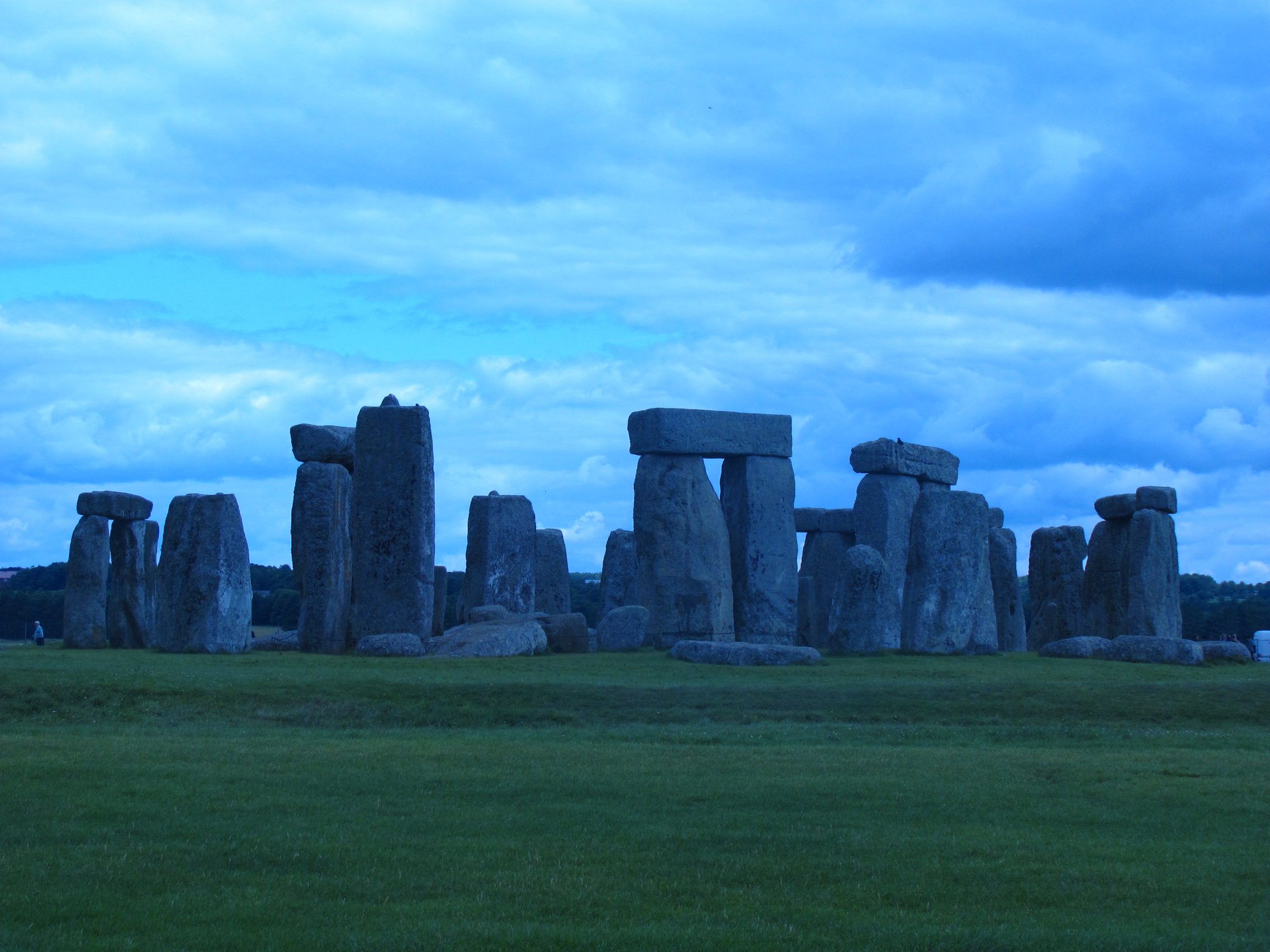
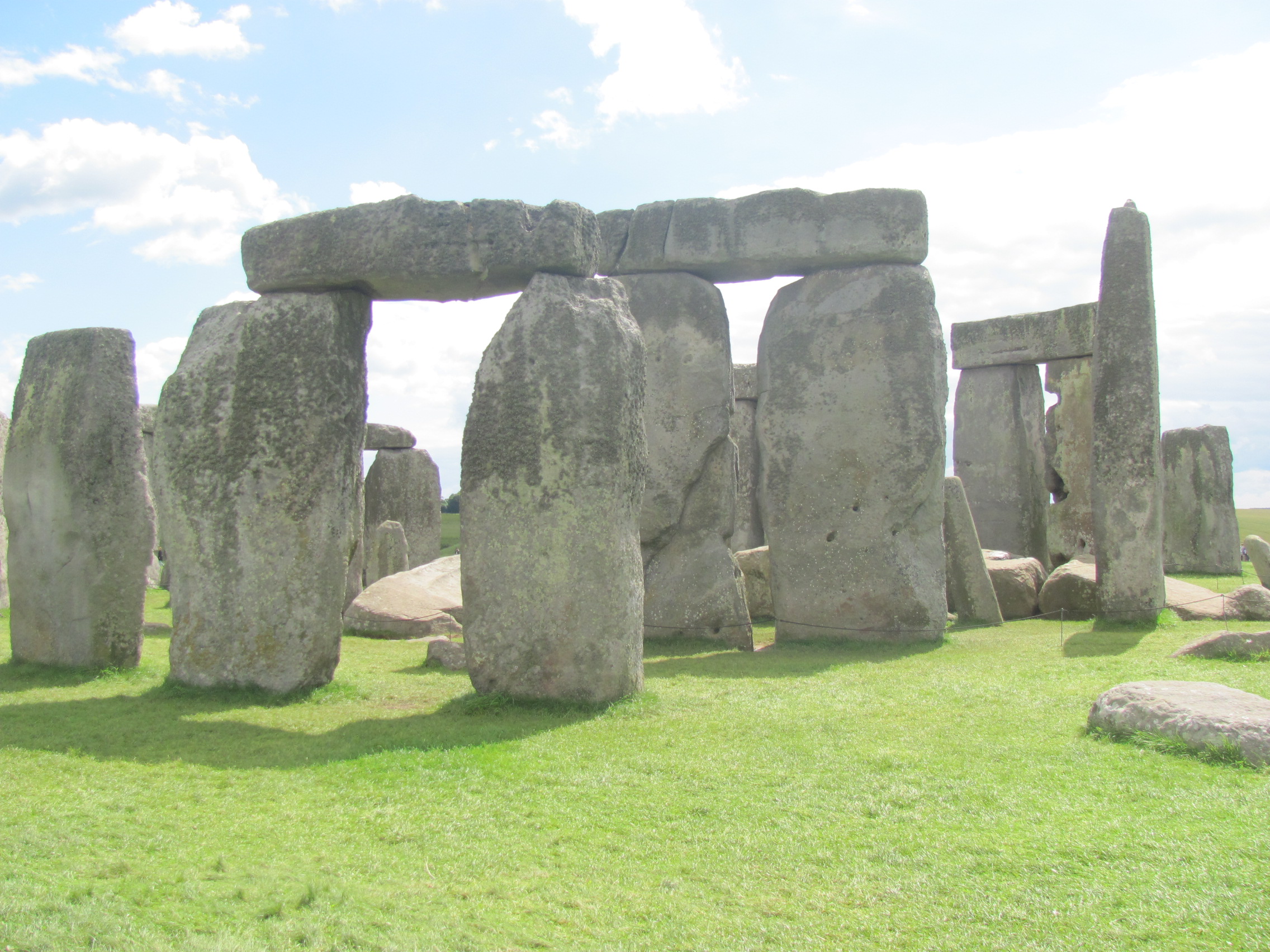
Old stone circles and megalithic (large stones) exists in every part of the world, although little is known about them. It is possible to deduce something about who has erected the smalls British farms from Stonehenge, those united from Silbury to Avebury, in Wiltshite, southwest England, as well as the date of the works and almost nothing about the reason of that. For some, the circles concentrates and diffuses telluric energies, such as acupuncture needles do with the body. Others suggest a connection with fertility rites, but the only thing that seems correct is the connection of these buildings with the seasons.
The megalithic complex of Avebury, in Wiltshire, was built in several steps and in the past it was larger than what the Stonehenge it is today. Estimates that was built in the Neolithic period around 2500 BC. The great circle of stones remained important to the Bronze Age (2200-1500 BC), when many tombs were built nearby. Today, Stonehenge, Avebury and with other small farms associated, form the heart of a World Heritage with a unique and dense concentration of remarkable prehistoric monuments.

Mont Saint Michel
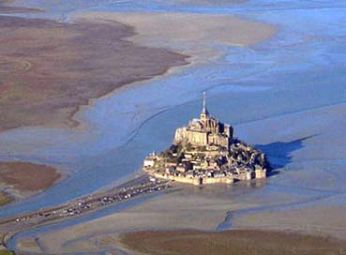
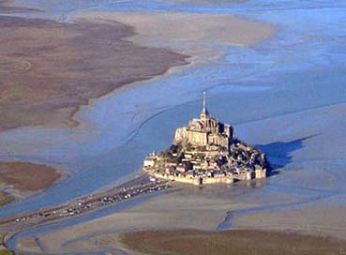
The sacred island connected to the continent as the tide, in the Normandy region, in France, today attracts thousands of tourists throughout the year to visit the abbey, which in the 18th century became a place of Christian pilgrimage due to Bishop Aubert, of Avranches, have built a shrine dedicated to St. Michael the Archangel. Is believed that the place was used by druids to worship the sun and the god Mithras and also used as a cemetery Celtic. La Merveilhe, a collection of Gothic religious buildings of the 13th century, dominates the island.

Machu Picchu
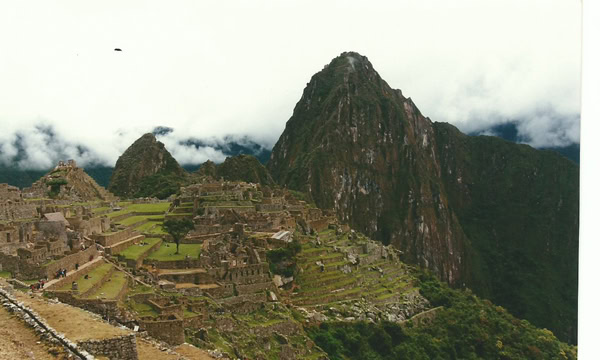
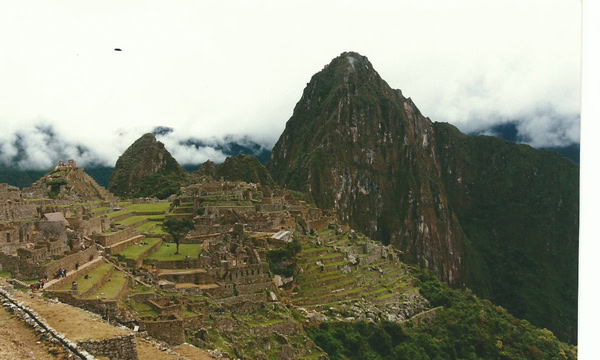
The lost city of Machu Picchu, in Peru, high in the Peruvian Andes, is one of the most spectacular places in the world. It is defended on three sides by a pass over a thousand meters deep – where the springs run from the Urubamba River, tributary of the Amazon – and on the fourth side by a mountain crest that acts sometimes as a guardian.
The advantage of traveling on your own is to have almost the whole day to enjoy a place like this. The ticket office in the ruins opens at 9 am and the park closes at 6 pm and, based on it, you can first visit the trails close to the ruins as the one of the Inca brigde, with 30 minutes of walking, and after, the Sun Gate, which requires a two-hour walk. Around 3 pm is when you have to visit the ruins, internally, when the flow of tourists decreases.
Useful information:
red ray ban sunglasses
http://www.english-heritage.org.uk.
http://www.ot-montsaintmichel.com/en/accueil.htm
http://www.manualdoturista.com.br/detalhes.asp?pesquisa=1135&detalhes=7


Actually, fail to develop such a healthy addiction that is to produce a text with more refinement, seeking new words with the same meaning, but with a clearer definition, more complete to express the idea, feeling or information that is wanted to place in the sentence.
“You can say anything you want, yessir, but it’s the words that sing, they soar and descend…I bow to them…I love them, I cling to them, I run them down, bite into them, I melt them down…I love words so much…The unexpected ones…The ones I wait for greedily or stalk until, suddenly, they drop…Vowels I love…They glitter like colored stones, they leap like silver fish, they are foam, thread, metal, dew…I run after certain words…They are so beautiful that I want to fit them all into my poem…I catch them in mid-flight, as they buzz past, I trap them, clean them, peel them, I set myself in front of the dish, they have a crystalline texture to me, vibrant, ivory, vegetable, oily, like fruit, like algae, like agates, like olives…And then I stir them, I shake them, I let them go…I leave them in my poem like stalactites, like slivers of polished wood, like coals, pickings from a shipwreck, gifts from the waves…Everything exists in the word…An idea goes through a complete change because one word shifted its place, or because another settled down like a spoiled little thing inside a phrase that was not expecting her but obeys her…they have shadow, transparence, weight, feathers, hair, and everything they gathered from so much rolling down the river, from so much wandering from country to country, from being roots so long…They are very ancient and very new…They live in the bier, hidden away, and in the budding flower…What a great language I have, it’s a fine language we inherited from the fierce conquistadors…They strode over the giant cordilleras, over the rugged Americas, hunting for potatoes, sausages, beans, black tobacco, gold, corn, fried eggs, with a voracious appetite not found in the world since then…They swallowed up everything, religions, pyramids, tribes, idolatries just like the ones they brought along in their huge sacks…Wherever they went, they razed the land…But words fell like pebbles out of the boots of the barbarians, out of their beards, their helmets, their horseshoes, luminous words that were left glittering here…our language. We came up losers…We came up winners…They carried off the gold and left us the gold…They carried everything off and left us everything…They left us words.” (“The word”, from Pablo Neruda, translated from the Spanish by Hardie St. Martin from Memoirs. Farrar, Strauss and Giroux, 1977)