*Existe algo não caminhando para sua própria morte: o tempo.


Porque vida é arte! Porque viajamos nessa poética


Como sempre, a mídia procurou achar fatos desconhecidos e pessoas próximas dele para escancarar sua vida particular e nesta procura acharam sua namoradinha, neste triste momento, uma garota então desconhecida chamada Adriana Galisteu. Então os repórteres caíram em cima da mocinha querendo descobrir segredos e desta maneira, ela foi empurrada para as páginas principais dos jornais e revistas.
Isto incomodou a família do nosso herói, que não gostou da maneira que ela expunha sua relação com o piloto e também o certamente aflorou o medo de ver exposta a intimidade do Ayrton.
Diante dos protestos, surpreendentemente, Adriana respondeu de uma maneira definitiva:
“- Eles têm seus direitos, mas eu sou a dona de minha história!”
Guardada as devidas proporções, Carlyle Poop foi buscar no sentimento de posse de uma história de ficção, a inspiração para escrever seu livro. Até o título remete-nos ao assunto: ‘O Dono de Minha História’.
Uma ideia inusitada, mas, sobretudo, original. Quem não pode dizer que recebeu uma influência marcante na sua formação? Da mãe, orientando o caminho; do pai, principalmente pelo exemplo; do professor amigão ou daquele ídolo bom em tudo que nos acompanhou na lembrança pela vida afora?
Ou na fauna que nos rodeia: um amigo, uma namorada, um personagem, enfim, qualquer pessoa cuja sombra nos abarca. No caso deste livro, é um colega de escola.
Curiosamente, com toda esta importância, Salésio – o personagem influenciador – somente baliza os limites e é a referência que sempre aparece nas lembranças do narrador. Mas persegue e incomoda o protagonista, desde seu rito de passagem, na sua formação e depois no seu trabalho.
O narrador, com pouca identidade formal, vai construindo sua imagem biográfica através das lembranças vinculadas às pessoas mais próximas. Deliciosamente, o autor puxa para o presente, as locações, coisas, músicas e fatos de uma Curitiba bucólica, dos anos setenta em diante. Afloram as lembranças da cidade, sua casa, o colégio, professores e colegas, tudo que grudou nele e para sempre, tal como a solidificação de uma pasta visguenta.
Nesta explosão de ideias o leitor vai queimando etapas até o final. Mas o destaque de sua formação, no ritual de passagem da juventude, fixa-se na descoberta do amor inocente pelas menininhas e vai crescendo até as descobertas sempre renovadas, das delícias do sexo.
Confesso que fiquei curioso de como o autor teve esta ideia genial. Há uns cinco anos ele contou-me que estava escrevendo um livro. Mas isto é fato comum para ele, professor doutorado em Direito e autor de livros jurídicos, sendo até membro da equipe editorial da Editora Juruá.
Mas a surpresa que balançou minha curiosidade foi que ele completou a informação esclarecendo que esse livro em gestação seria um livro de ficção. Ficção? Do doutor Carlyle?
Para um mestre como ele, como não podia deixar de ser, é uma narrativa inteligente. Sua leitura não é linear e direta que remete a uma história simples porque o autor aborda seu personagem operando cirurgicamente e revolvendo suas entranhas. É mais ainda, é um livro para se ler aos poucos e de vez em quando parar para juntar as ideias e refletir.
Mal comparando, não é uma cerveja que se deve beber antes que esquente e sim, um bom vinho que se bica aos poucos, sabendo sua origem, erguendo-o contra a luz e fazendo o líquido dançar no fundo da taça, tanto para conferir sua fluidez como aspirar seu aroma.
Bobagem! Já tinha escrito esta comparação piegas quando me lembrei do que disse o protagonista da história e que serve para me dar um puxão de orelhas:
“Não gosto muito de vinho. Lembra-me do Salésio, (o que sabia de tudo). Todo cheio dizia ‘daqui a uns anos todo mundo vai beber vinho no Brasil. Só a ralé vai tomar cerveja.”
Para terminar, o texto pescou no passado uma gíria regional que não ouvia há mais de setenta anos, no meu longínquo tempo de piá… Ou seja, ‘cuera’ no sentido de ‘bom’ ou de ‘craque’. Aliás, palavra que se pode associar ao livro comentado: ‘coisa de cuera!’
Parabéns ao autor, mas também à editora, pois lançar livros em nossos tempos estéreis é o verdadeiro ‘padecer no paraíso’.
Sucesso!
O doutor merece!
Título: O SENHOR DA MINHA HISTÓRIA
Autor: CARLYLE POOP
337 PÁGINAS
EDITORA INVERSO
NAS LIVRARIAS

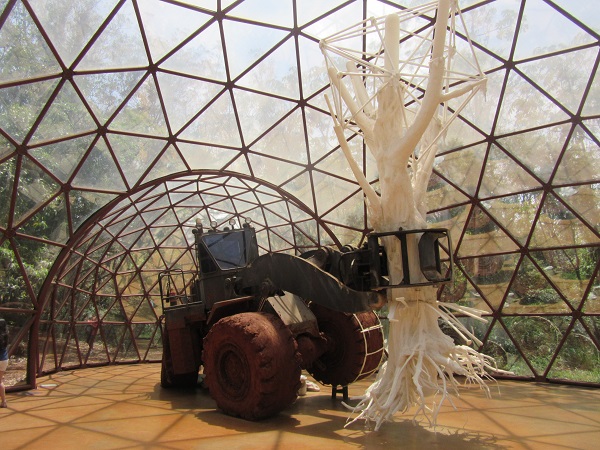
Another American Mathew Barney with Lama Blade installation (2009) placed inside a prism, no longer on a hill, but engrossed in the bush, a bulldozer with muddy wheels pulling a tree. A work that began at Carnival, in Salvador, 2004, and arrived in Inhotim in 2008. Invites the viewer to reflect about the role of man and the machine that gives him power to destroy the nature.
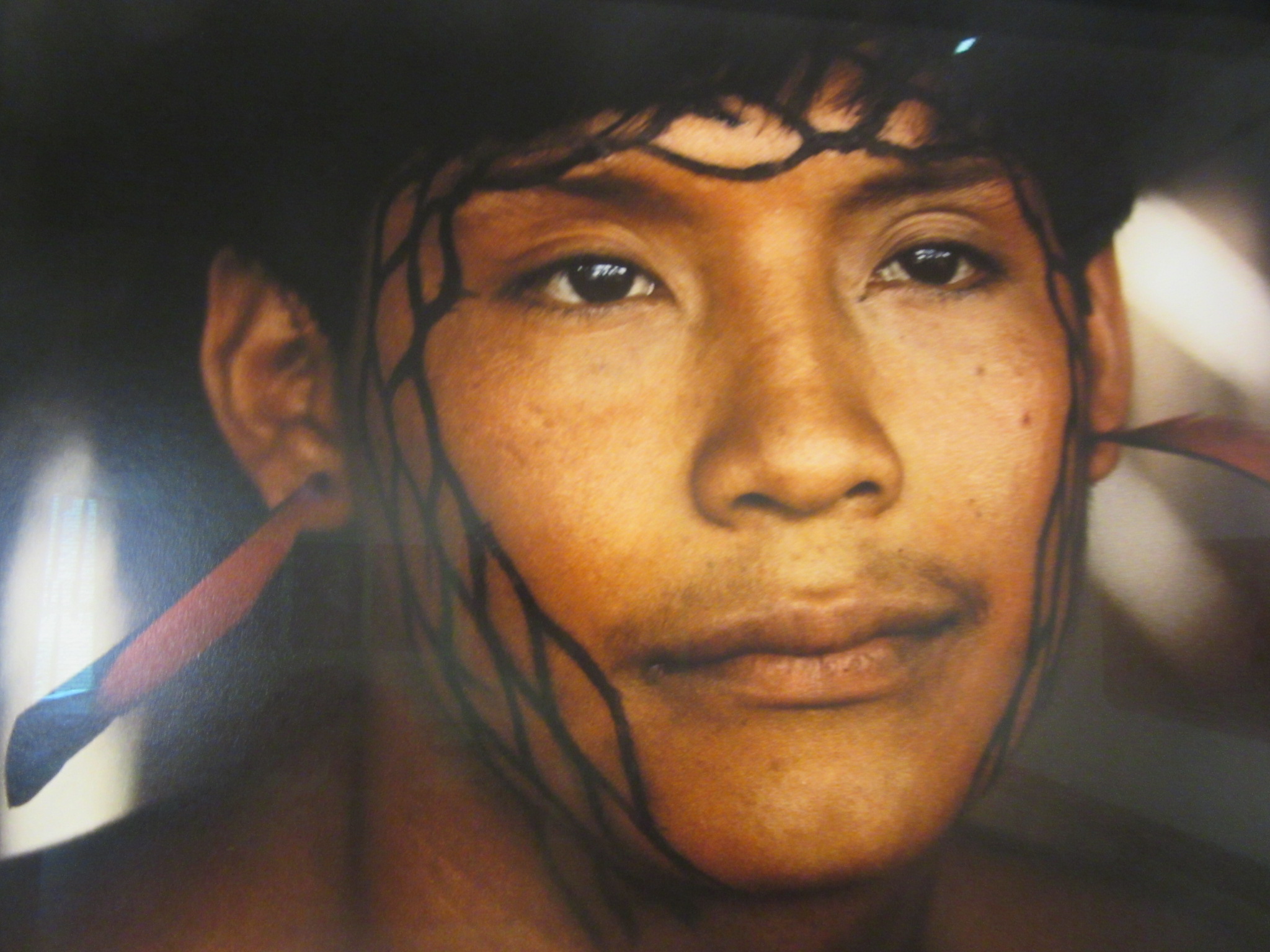
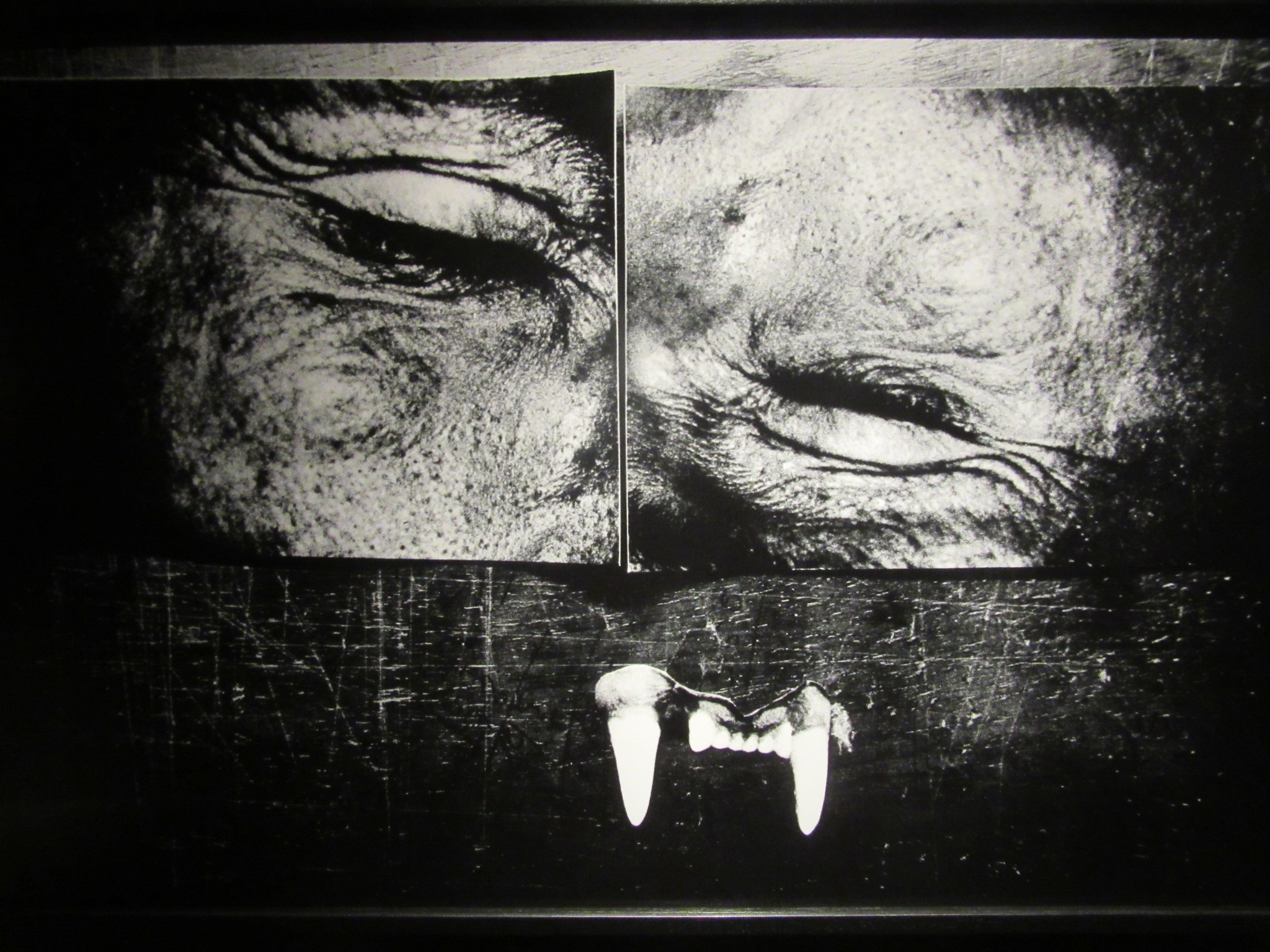
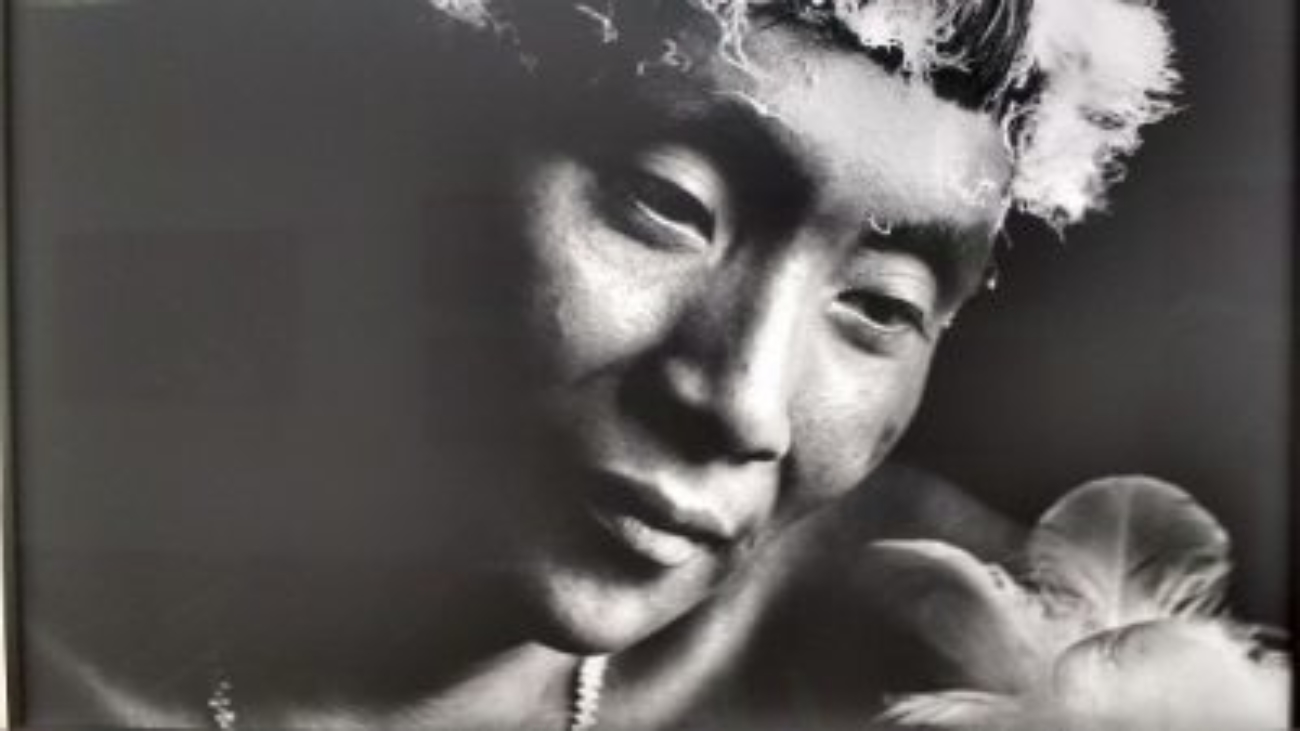
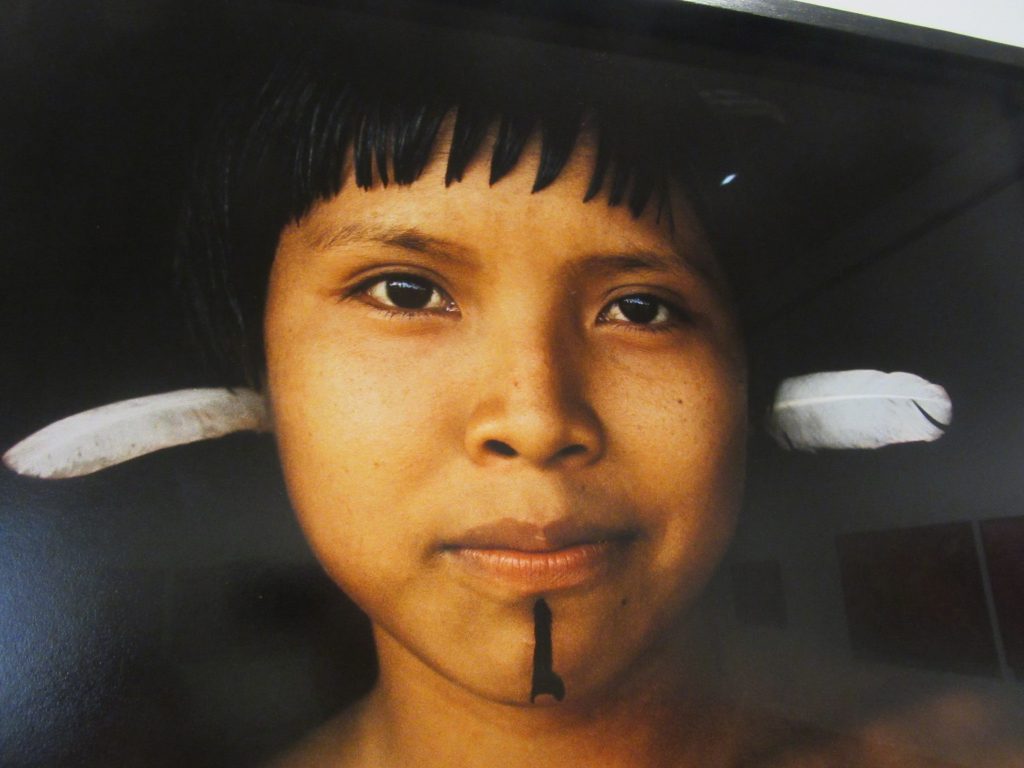
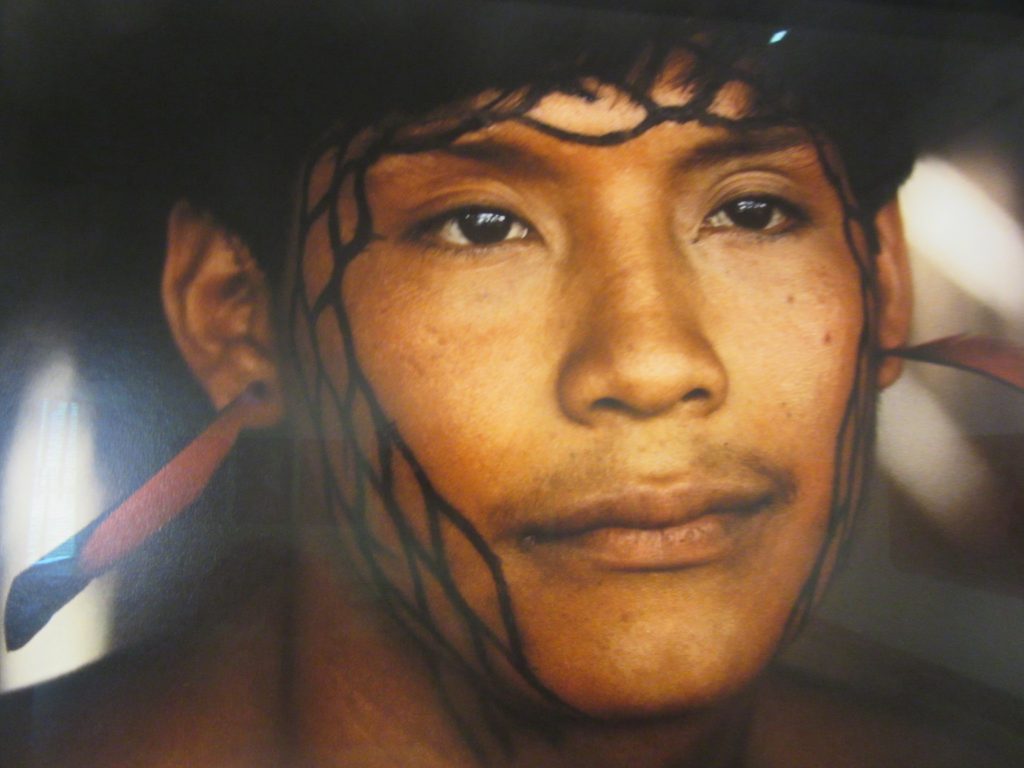
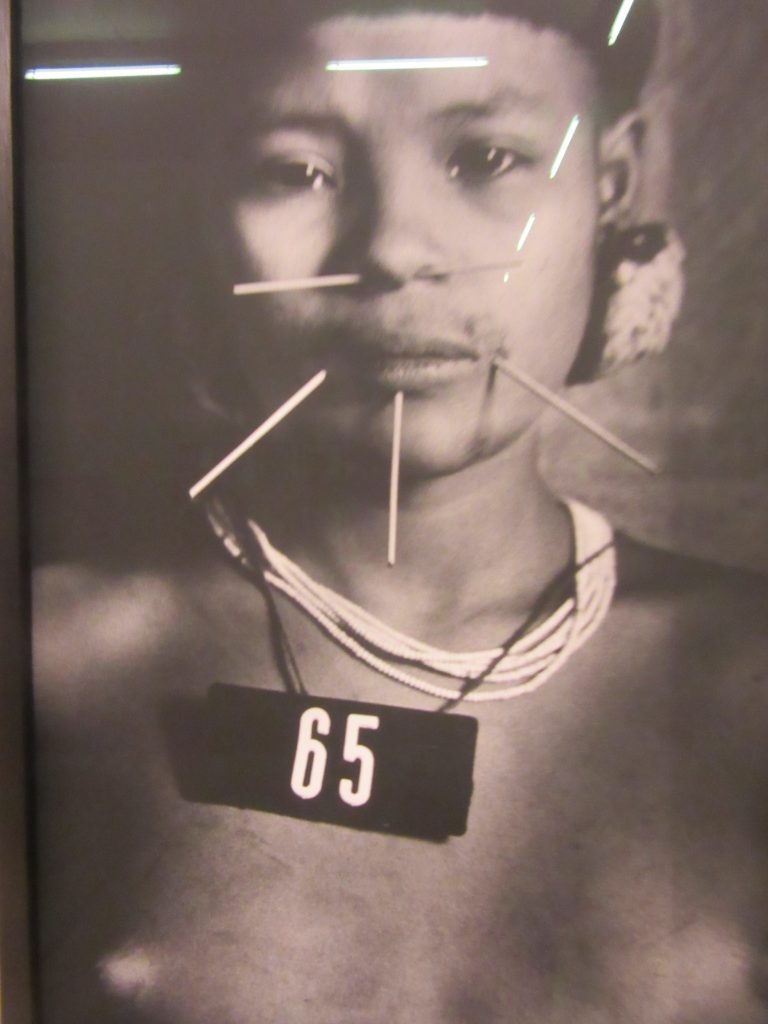
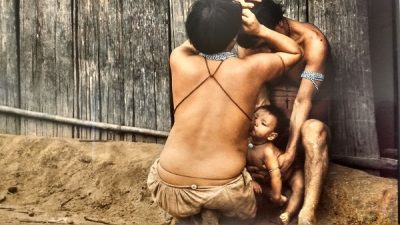
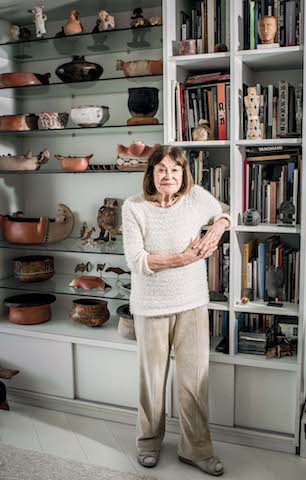
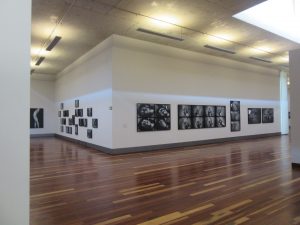
The 500 photographs of Claudia Andujar about Amazon and Yanomami natives is a precious collection about indigenous life, culture and humanitary and political activism. To visit and observe her work is to engage with the soul of forest people, such is the sensitivity with which Claudia treated the images and the flagrant.